A child

We act as if a child is born into a pre-existing world, but for the child they are the world. The centre of their own universe.

They live only in the present. They do not yet have the language to construct a past or a future.

They trust naively for they have not yet been betrayed.

They love naively for they have not yet been hurt.

They are born lovable for their survival depends on it.

They are who they are and they will become what they will if we simply allow it.

We know too well the negations we ourselves endured. We her them in the judgements we have about ourselves picked up along the way, inflicted by the slings and arrows of outrageous fortune or more painfully by those most trusted under the guise of love, meant to correct our doing but when poorly aimed wound our soul. A negation of our being.

No one wants that for their children.

We also have parts of ourselves that flourished, either in the sanctity of solitude or celebrated by those who loved us. In those parts we feel most at home.

We want more of that for our children

We flourish when we are loved. To love someone is simply to allow them be who they are. But who are they? Who are they really? What is their core? What matters to them in their marrow? What is their code, their ethos? When they are authentically themselves who is the author?

Perhaps we can never really know. We can only see the external manifestations like reading a book or a poem we glimpse something of the author but not the whole.

What if a child is a poem?
gwb IQ_gain/4 R,G,B :(295,256,281 )

Be that person

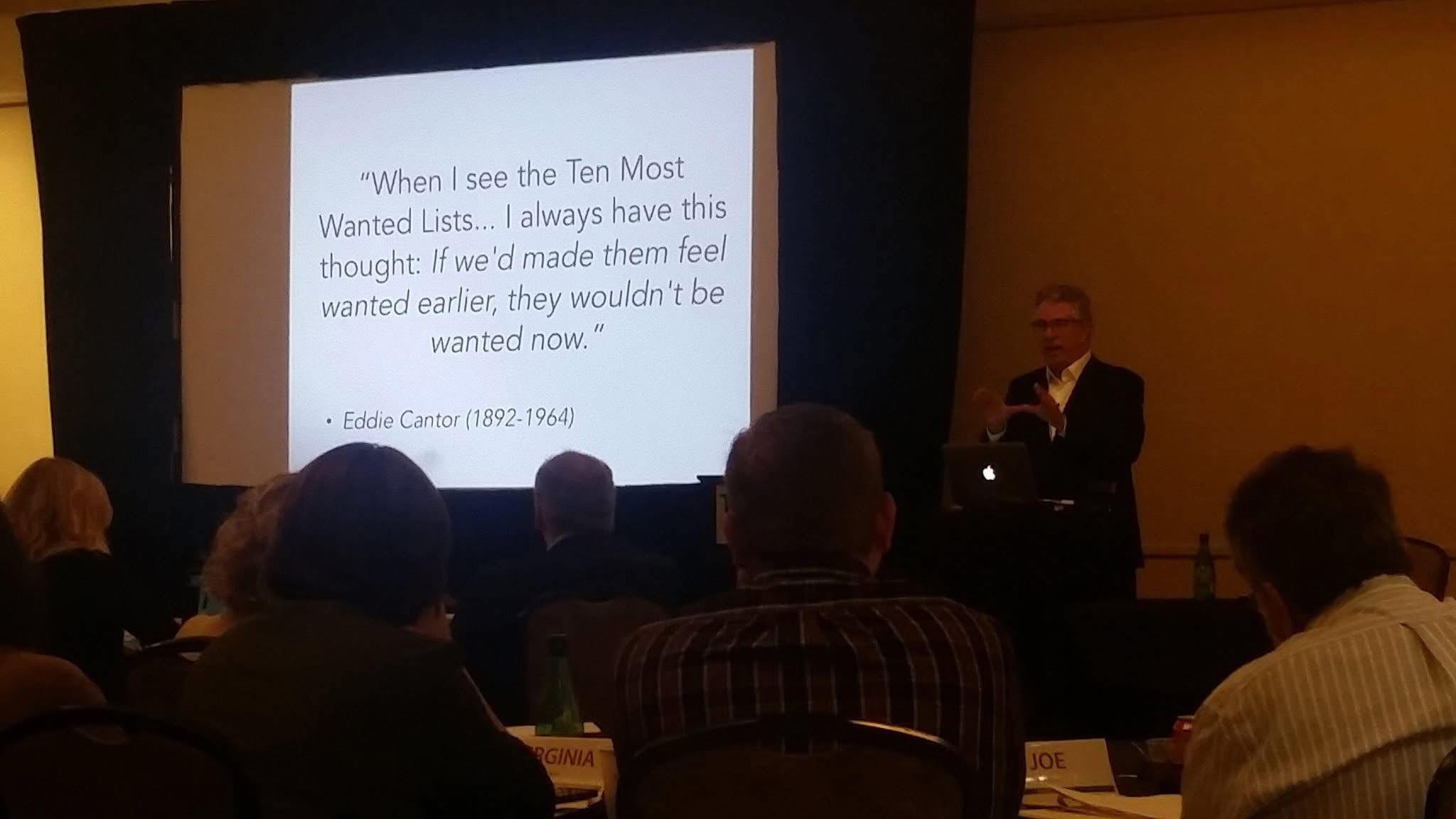
Bruce Perry showed this slide at a presentation years ago and it has always stayed with me.

Bruce is one of those lovely people who found themselves questioning the aspects of medical training that had us be less human with our patients. Caring and connecting stayed really important to him and drove his career interest in healing trauma in hard areas like little kids where trauma gets in the way of neurodevelopment.

15 years ago or thereabouts schools here were looking at his work, there were trauma informed schools and for a bit we had a commissioner for children who looked like he might make good things happen….

But then he got ousted, and good initiatives in schools were removed, there was less understanding and more judgement. Kids were made to be responsible for their trauma responses and punishment and disconnection became the go.

A whole generation of people that cared and were doing good work got shafted. Recent conversations I’ve had in response to the worrying escalation in anger and reactivity in these disinfranchised young people who are now big enough to cause damage reveal that it is not just the kids that are hurting its the adults who weren’t allowed to help them. It is not suddenly new, I was speaking to a young lad who had done well 5 years ago and asked who the person was he attributed his turn around to and it was a teacher in grade 8. I was interested in finding out more about the adults who kids say help and so I asked if I could contact him. He agreed. The teacher was touched and remembered him fondly but there had been a new principal and he was no longer able to work in that way and the tone in his voice was so hurt, so jaded.

Resillience research showed that just one person can make all the difference in a child’s life. Just one person who takes an interest and believes in a kid. As an adult being curious about what a child cares about. What matters to them, what makes them tick can really help the child to make space for that to expand into a meaningful life, rather than contract into a painful kernel that needs defending at all costs.